


Create Your Sanctuary Space in California

Creating a sanctuary space in California is more than just a design project; it’s a journey towards personal well-being and tranquility. With its diverse landscapes, from serene beaches to majestic mountains, California offers the perfect backdrop for crafting a peaceful retreat. Whether you’re looking to create a cozy nook in your home or an outdoor oasis, this guide will help you transform your space into a sanctuary that reflects your personal style and promotes relaxation.

Understanding the Concept of a Sanctuary Space
A sanctuary space is a designated area where you can escape the chaos of everyday life. It’s a place that brings you peace, comfort, and joy. Here are some key elements to consider when defining your sanctuary:
Personalization: Your sanctuary should reflect your personality and preferences. Incorporate colors, textures, and items that resonate with you.
Comfort: Choose furniture and decor that promote relaxation. Soft fabrics, comfortable seating, and calming scents can enhance the atmosphere.
Nature: Integrating natural elements can significantly improve your space. Plants, natural light, and outdoor views can create a serene environment.
Choosing the Right Location
The first step in creating your sanctuary is selecting the right location. Depending on your lifestyle and preferences, you might choose an indoor or outdoor space. Here are some options:
Indoor Sanctuary Spaces
Living Room: Transform your living room into a cozy retreat with soft lighting, plush cushions, and calming colors.
Bedroom: Your bedroom can be a sanctuary for rest and rejuvenation. Consider blackout curtains, soothing colors, and minimal clutter.
Home Office: If you work from home, create a dedicated space that promotes focus and tranquility. Use plants and calming decor to enhance your productivity.
Outdoor Sanctuary Spaces
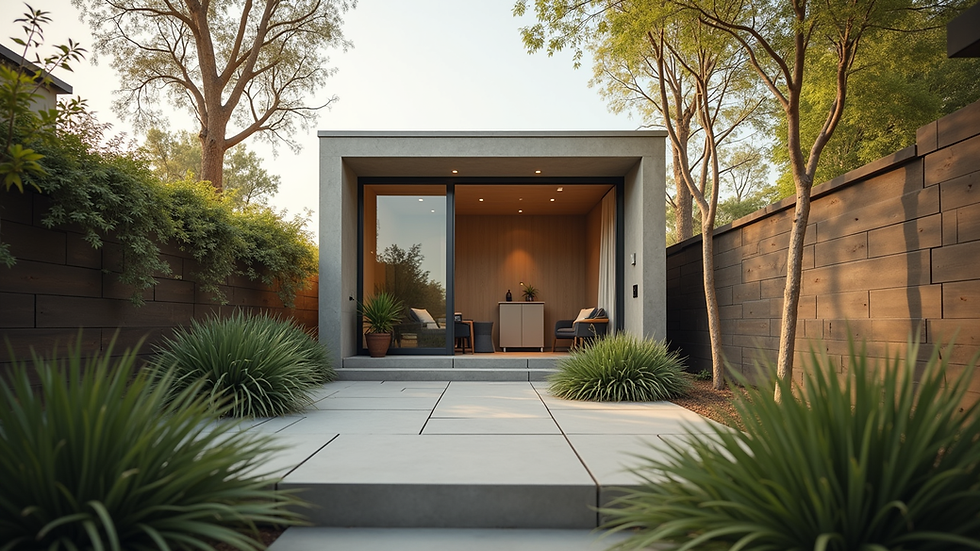
Garden: A garden can be a perfect sanctuary. Incorporate seating areas, water features, and a variety of plants to create a peaceful atmosphere.
Balcony or Patio: Even small outdoor spaces can be transformed into sanctuaries. Use comfortable furniture, string lights, and plants to create an inviting area.
Rooftop: If you have access to a rooftop, consider turning it into a serene escape with views of the city or nature.
Designing Your Sanctuary
Once you’ve chosen the location, it’s time to focus on the design. Here are some tips to help you create a harmonious and inviting space:
Color Palette
Choosing the right colors is crucial for setting the mood. Soft, muted tones like pastels or earth tones can create a calming environment. Consider using:
Blues and Greens: These colors are known for their calming effects and can help reduce stress.
Neutrals: Shades of beige, gray, and white can create a serene backdrop that allows other elements to shine.
Furniture Selection
Select furniture that is both functional and comfortable. Here are some ideas:
Cozy Seating: Invest in a comfortable chair or sofa where you can relax and unwind.
Natural Materials: Use wood, rattan, or bamboo furniture to bring a touch of nature indoors.
Multi-functional Pieces: Consider furniture that serves multiple purposes, such as an ottoman that doubles as storage.
Lighting
Lighting plays a significant role in creating ambiance. Here are some lighting options to consider:
Natural Light: Maximize natural light by using sheer curtains or strategically placing mirrors to reflect light.
Soft Lighting: Use lamps with warm bulbs to create a cozy atmosphere. Consider dimmable lights for versatility.
Candles: Incorporate candles for a warm, inviting glow. Scented candles can also enhance the sensory experience.
Incorporating Nature
Bringing nature into your sanctuary can enhance your sense of peace and well-being. Here are some ways to do this:
Indoor Plants
Adding indoor plants can improve air quality and create a calming environment. Consider these options:
Low-Maintenance Plants: Succulents and snake plants are easy to care for and thrive indoors.
Air Plants: These unique plants require minimal care and can be displayed creatively.
Herbs: Growing herbs like basil or mint can add fragrance and be useful in the kitchen.
Outdoor Elements
If you have an outdoor space, consider incorporating natural elements:
Water Features: A small fountain or pond can create soothing sounds and attract wildlife.
Rock Gardens: Use stones and gravel to create a low-maintenance garden that promotes tranquility.
Wildflowers: Planting native wildflowers can attract pollinators and enhance the beauty of your space.
Creating a Relaxation Zone
A key aspect of your sanctuary is having a designated relaxation zone. This area should be free from distractions and designed for unwinding. Here are some ideas:
Meditation Corner
Create a space for meditation or mindfulness practices. Consider:
Cushions or Mats: Use comfortable cushions or mats for seating.
Calming Decor: Incorporate items like crystals, candles, or incense to enhance the atmosphere.
Quiet Space: Choose a location away from noise and distractions.
Reading Nook
If you love to read, design a cozy reading nook. Here’s how:
Comfortable Seating: Use a plush chair or a hammock for relaxation.
Good Lighting: Ensure there’s adequate lighting for reading, such as a floor lamp or wall sconces.
Bookshelves: Incorporate shelves to display your favorite books and create an inviting atmosphere.
Personal Touches
Adding personal touches can make your sanctuary feel truly unique. Here are some ideas:
Artwork
Incorporate artwork that resonates with you. Consider:
Local Artists: Support local artists by displaying their work.
Personal Photos: Frame photos that bring back happy memories or inspire you.
Nature-Inspired Art: Use artwork that reflects the beauty of nature to enhance the calming atmosphere.
Textiles
Use textiles to add warmth and comfort. Here are some options:
Throw Blankets: Drape soft blankets over furniture for added coziness.
Cushions: Use a variety of cushions in different textures and colors to create an inviting space.
Rugs: A soft rug can define your sanctuary area and add comfort underfoot.
Maintaining Your Sanctuary
Creating a sanctuary is an ongoing process. Here are some tips for maintaining your space:
Regular Cleaning
Keep your sanctuary clean and clutter-free. Regularly dust surfaces, vacuum, and organize items to maintain a peaceful environment.
Seasonal Updates
Consider updating your sanctuary with the seasons. Change out textiles, add seasonal decor, or rotate plants to keep the space feeling fresh.
Mindful Practices
Incorporate mindful practices into your routine. Spend time in your sanctuary daily, whether through meditation, reading, or simply enjoying the space.
Conclusion
Creating your sanctuary space in California is a rewarding endeavor that can significantly enhance your quality of life. By carefully selecting your location, designing with intention, and incorporating personal touches, you can craft a retreat that reflects your unique style and promotes relaxation. Remember, your sanctuary is a reflection of you, so take the time to make it a space where you feel truly at home. Start your journey today and transform your environment into a haven of peace and tranquility.

Comments